

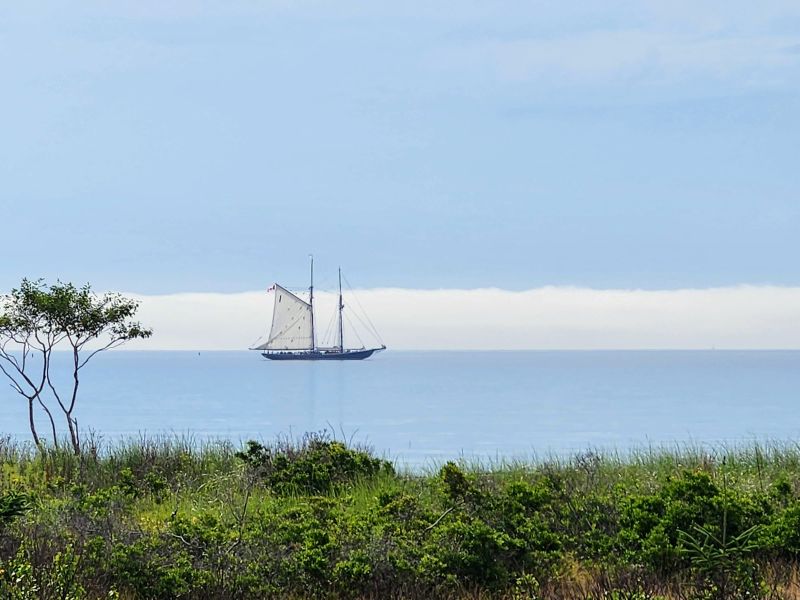
For decades, the standard formula for a luxury vacation was highly predictable: book a five-star beachfront resort, reserve a few crowded excursions, or secure a cabin on a massive commercial cruise ship. But as travel preferences have dramatically shifted in recent years, a new gold standard has emerged. In 2026, travelers are increasingly trading crowded hotel pools and rigid itineraries for the open ocean.
Travelers Choose Sailing
The global yacht charter market, valued at approximately $9.7 billion today, is projected to soar past $16 billion by the mid-2030s. This explosive compound annual growth rate is not just being driven by ultra-high-net-worth individuals. Families, young professionals, and first-time travelers are discovering that chartering a sailboat or catamaran is not only accessible but offers a caliber of experience that traditional land-based vacations simply cannot match.
But what exactly is driving this mass migration from resorts to the sea? As an industry expert analyzing the intersection of maritime tourism and consumer behavior, I’ve identified several key reasons why more travelers are choosing sailing over traditional vacations—and why this trend is here to stay.
Death of Rigid Itinerary
The modern traveler is suffering from “tourist fatigue.” Traditional vacations often involve waking up early to secure a pool chair, adhering to strict restaurant reservation times, or following the inflexible schedule of a 5,000-passenger cruise ship.
A sailing vacation flips this paradigm entirely, offering the ultimate luxury: absolute freedom. When you charter a sailboat, the itinerary is fluid and tailored to your exact desires. If you fall in love with a secluded bay in the Greek Ionian islands, you can simply ask your captain to drop anchor and stay an extra night. If the wind shifts or you feel the urge to explore a bustling coastal village, your floating hotel moves with you.
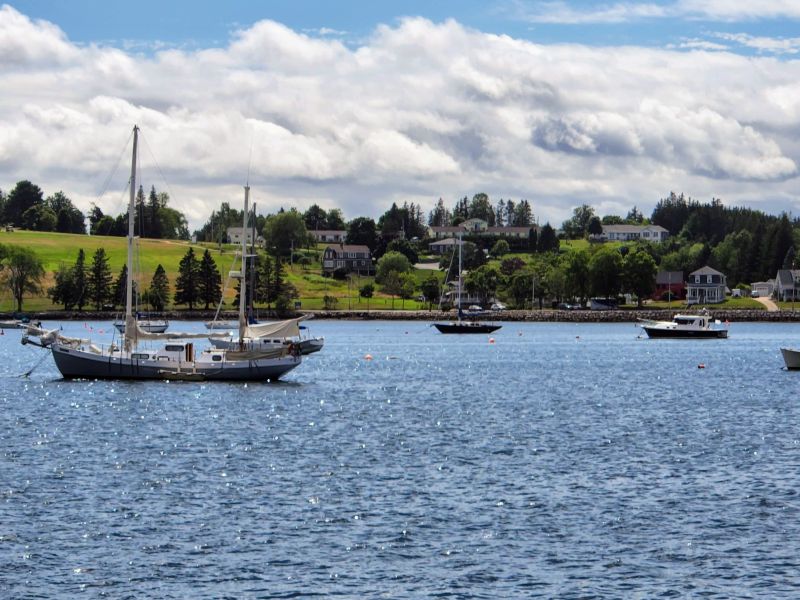
This autonomy allows travelers to escape the crowds. While thousands of tourists disembark from commercial cruise ships into major ports, a private sailboat with a shallow draft can navigate into hidden coves, pristine marine parks, and untouched beaches that are completely inaccessible by land.
Accessible Luxury – You Don’t Need to be a Sailor
Perhaps the most pervasive myth about sailing vacations is that you need maritime experience to enjoy one. In reality, you don’t need to know how to tie a bowline or hoist a mainsail to spend a week on the water.
Industry data reveals that crewed charters now account for over 82% of all charter market revenue. These vessels come fully staffed with a professional captain and a private gourmet chef. For the guest, the experience is akin to staying in a boutique floating villa. The crew handles all the navigation, mooring, cleaning, and meal preparation, allowing guests to do nothing but relax on the sun deck with a cocktail in hand.
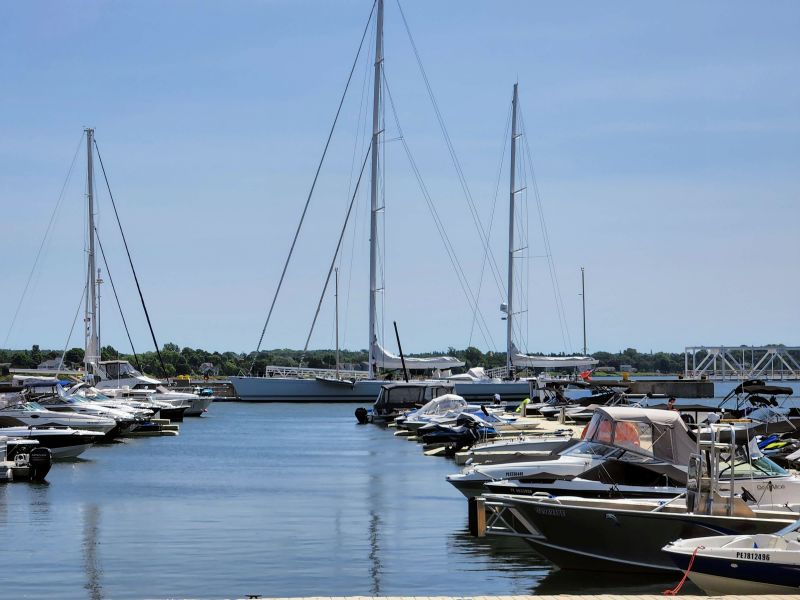
For those who want a hybrid experience, “skippered charters” allow you to hire a captain to handle the heavy lifting, while you and your family can choose to participate as much or as little as you like in the actual sailing process. This accessibility has opened the market to demographics that previously would never have considered a maritime holiday.
Vacation to Vocation – A Gateway to a Lifelong Passion
While many travelers initially book a sailing vacation simply for the luxury and relaxation, a unique phenomenon frequently occurs: they fall in love with the mechanics, the culture, and the thrill of sailing itself. The rhythmic sound of the hull cutting through the water and the sheer power of harnessing the wind are deeply intoxicating.
It is incredibly common for guests on a crewed charter to spend their week shadowing the captain, learning the basics of navigation, and returning home with a burning desire to earn their own sailing certifications, such as those from the Royal Yachting Association (RYA) or the American Sailing Association (ASA).
This progression from casual vacationer to active hobbyist requires the right guidance and gear. For those who catch the sailing bug and decide to take the leap into personal boat ownership, local club racing, or simply outfitting themselves for future bareboat charters, specialized retailers become invaluable. Dedicated platforms like sailboats.co.uk serve as a trusted hub for the maritime community, providing everything from introductory dinghies and replacement parts to top-tier technical apparel, ensuring a seamless transition from passenger to true sailing enthusiast.
Unrivaled Privacy and a Deep Reconnection
In our hyper-connected, always-on world, finding spaces for genuine digital detox and deep interpersonal connection is increasingly difficult. Sailing provides an organic environment for exactly this.
The layout of a catamaran or monohull naturally brings people together. Without the distractions of sprawling resort complexes or endless digital entertainment, families and friend groups are pushed to reconnect. Without the distractions of sprawling resort complexes or endless digital entertainment, families and friend groups are pushed to reconnect. Days are spent snorkeling, paddleboarding, and reading, while evenings are characterized by long, al fresco dinners in the cockpit under a canopy of stars.
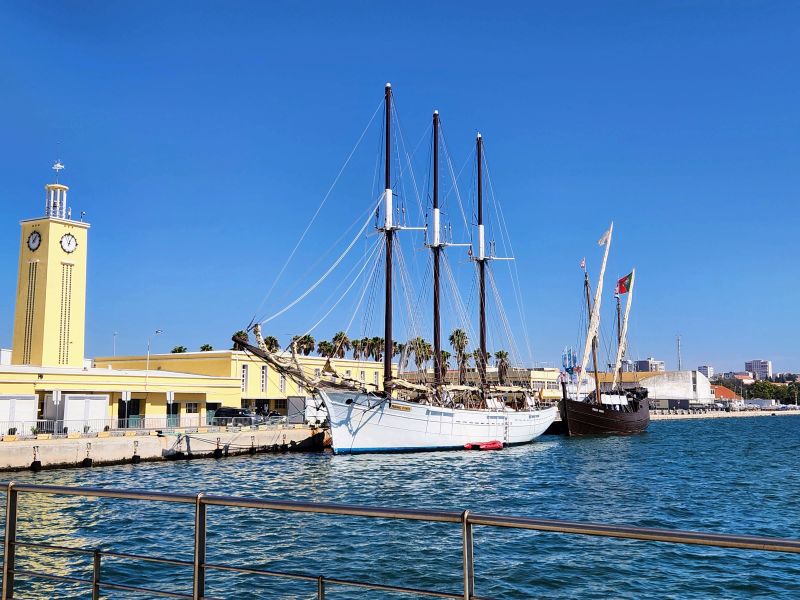
Psychologists frequently cite the “blue mind” effect—a mildly meditative state characterized by calm, peacefulness, and general happiness associated with being near, in, or on the water. The therapeutic rhythm of the sea, combined with the privacy of your own vessel, offers a profound reset for mental health that land-based travel struggles to replicate.
Surprisingly Competitive Economics
When people hear the words “private yacht charter,” they instinctively assume an astronomical price tag reserved exclusively for billionaires. However, when broken down on a per-person basis, the economics of a sailing vacation are surprisingly competitive with high-end resorts.
Consider a family of six booking a week at a five-star resort in the Caribbean. Between booking three hotel rooms, paying for three meals a day at expensive resort restaurants, covering the cost of alcoholic beverages, and paying a premium for daily excursions (like scuba diving or sunset cruises), the final bill accumulates rapidly.
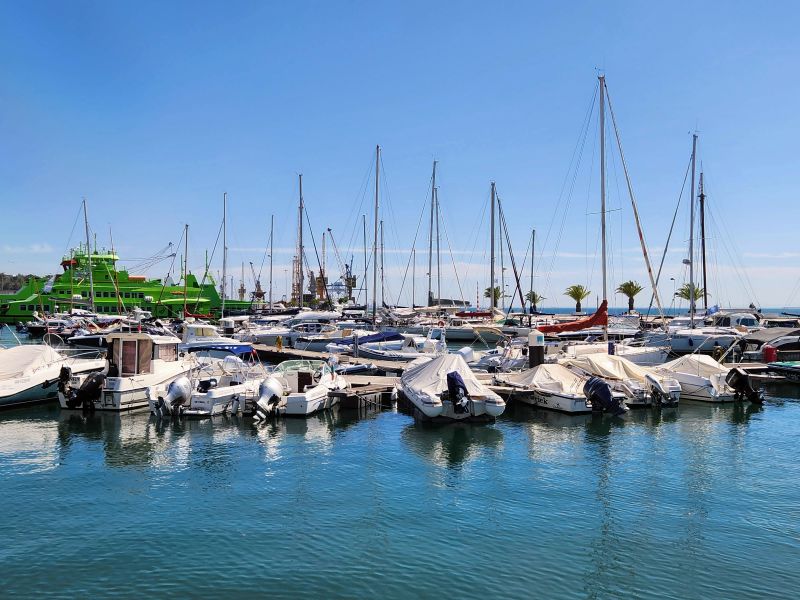
Conversely, the Caribbean sailing market operates largely on an all-inclusive pricing model. A highly appointed, mid-sized crewed catamaran might cost between $25,000 and $35,000 for the week. While this is a significant upfront sum, that single rate covers the vessel, the captain, the chef, all gourmet meals tailored to your dietary preferences, an open bar, water toys, and fuel. There is no daily expense reconciliation, allowing families to budget with absolute certainty. When divided among the group, the cost per head often rivals or beats the traditional luxury land-based alternative.
Sustainable Tourism & the Eco-Conscious Traveler
Sustainability is no longer a fringe movement in the travel industry; it is a primary decision-making factor for modern consumers. Travelers in 2026 are highly aware of their carbon footprint, which has led to increased scrutiny of massive cruise ships that burn heavy fuel oil and overwhelm local port ecosystems.
Sailing is, by its very nature, one of the original forms of sustainable travel. Utilizing wind propulsion drastically reduces carbon emissions compared to traditional motor yachts or commercial cruises. Furthermore, the charter industry is rapidly innovating to meet the demands of the eco-conscious traveler.
Today’s modern charter fleets are frequently equipped with extensive solar arrays, high-efficiency water makers that pull fresh water straight from the ocean, and advanced battery banks that eliminate the need to run noisy diesel generators overnight. The newest catamarans hitting the market even feature hybrid-electric propulsion systems. By choosing to sail, travelers can explore the world’s most beautiful natural environments while actively minimizing their impact upon them.
Conclusion – Setting Sail on Your First Adventure
The transition from traditional land-based vacations to private sailing charters represents a broader shift in how we value our leisure time. Travelers no longer want to be passive spectators on a pre-packaged tour; they want immersive, private, and customizable experiences that offer genuine connection with both nature and their loved ones.
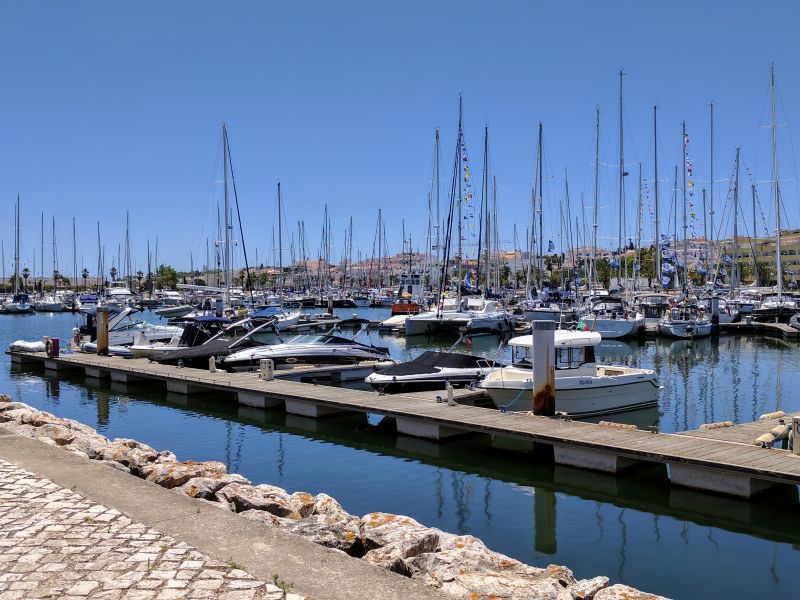
If you are considering trading the resort pool for the open ocean, the key to a successful first charter is setting the right expectations.
* Choose the Right Destination: For first-timers, the British Virgin Islands (BVI) in the Caribbean or the Ionian Sea in Greece offer line-of-sight navigation, calm waters, and short distances between anchorages.
* Select the Right Vessel: If you suffer from seasickness or prioritize space and stability, book a catamaran. If you crave the classic, romantic feel of cutting through the waves, a traditional monohull is the way to go.
* Communicate with Your Crew: Be upfront about your preferences. Whether you want a party atmosphere with craft cocktails or a quiet, wellness-focused retreat with yoga on the deck, your crew can curate the perfect experience.
Ultimately, a sailing vacation is more than just a trip; it is an entirely new way of seeing the world. Once you experience the unparalleled freedom of casting off the bowlines and letting the wind dictate your destination, you may find that traditional vacations simply never look the same again.



 Instagram Feed


Leave a Comment